Calheta
Calheta
Sun, a sandy beach, and a slower pace are the obvious attractions. The bigger question is what everyday life in Calheta actually looks like once you leave the waterfront.
Calheta sits on Madeira’s southwestern coast and is known for warmer, sunnier weather, a marina, and one of the island’s relatively rare sandy beaches. Those features make it easy to understand the area’s appeal, particularly if being outdoors and close to the ocean are high on your list.
But Calheta is more than the strip around the beach.
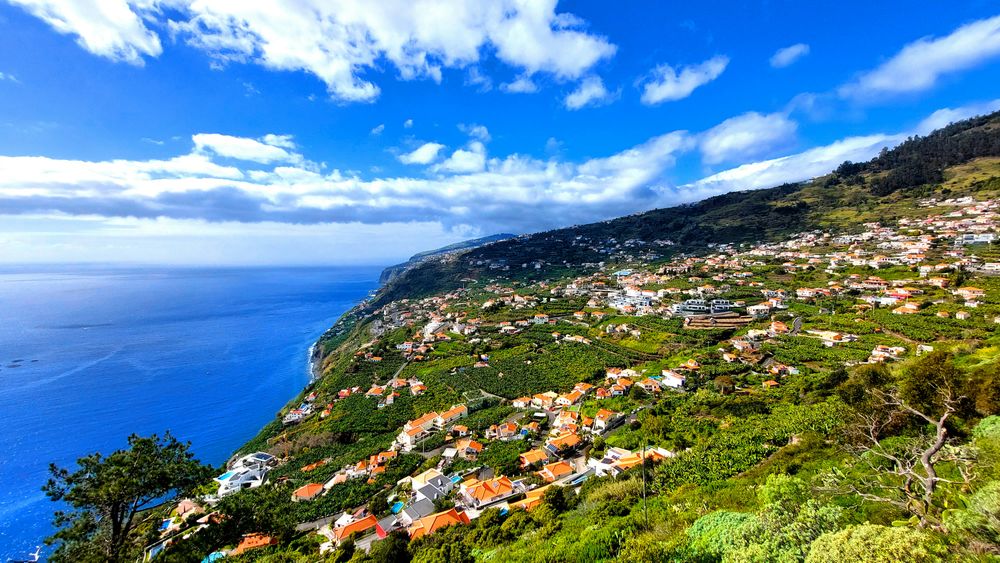
The wider area stretches from the coast into Madeira’s steep interior, where the landscape quickly becomes more rural. That means the experience of living in Calheta can vary considerably depending on exactly where you are. A home near the center may put supermarkets, cafés, restaurants, and everyday services relatively close by. A house higher on the hillside may give you more space and a sweeping ocean view, but it is also likely to make a car a much bigger part of daily life.
That distinction matters here. Calheta can look compact on a map, but Madeira’s terrain has a way of turning a short distance into a much less casual walk.
The waterfront is one of the area’s practical advantages as well as its most recognizable feature. The marina provides access to boating, fishing, and dolphin-watching trips, while the beach gives residents an easy place to swim without having to travel elsewhere on the island. If regular access to the sea is part of the lifestyle you’re imagining, Calheta deserves a closer look.
Away from the coast, there’s also easy access to the landscapes Madeira is known for. The municipality is surrounded by mountains, agricultural land, and levada routes, so hiking and outdoor activities do not require a trip across the island. Calheta also has a cultural side, including MUDAS, Madeira’s contemporary art museum, along with a long connection to sugarcane and banana cultivation.
For day-to-day living, Calheta offers many of the essentials you would expect from one of the larger centers on Madeira’s west side, including supermarkets, restaurants, cafés, and basic services. What it does not offer is the density of Funchal. If you want a large choice of shops, restaurants, nightlife, or services within a short walk, the tradeoff may become noticeable.
Housing reflects the geography. You’ll find contemporary villas positioned to take advantage of the ocean views as well as homes farther inland in more rural surroundings. Again, location within Calheta matters. The property with the better view may also mean steeper roads, more driving, and fewer places you can comfortably reach on foot.
So who might Calheta work for?
It may suit someone who wants more space, regular access to the coast, and a slower daily rhythm without feeling completely removed from services. It may be less appealing if your ideal Madeira life depends on walking everywhere, having a large variety of restaurants outside your door, or being close to the activity of central Funchal.
There are also questions we still want to investigate in person. How practical is the center on foot once you move beyond the waterfront? What does traffic feel like during the morning and afternoon? How easy is parking in different parts of town? How much does tourism change the atmosphere during busier months? And how different does daily life feel in the hillside residential areas compared with the coast?
Those details matter more to someone thinking about living here than another photograph of the beach.
For now, Calheta looks like an area worth considering if sunshine, outdoor space, and proximity to the ocean rank highly for you, particularly if you’re comfortable driving. Whether it works for your normal Tuesday will depend much more on the exact part of Calheta you choose.
We haven’t completed our field visit to Calheta yet. We’ll update this guide with firsthand observations about walkability, parking, traffic, services, and everyday life once we have.